When we go wine tasting, we not only sip. We buy. Oh, not cases, but a bottle or two where we taste something particularly enjoyable. If we’re really impressed we join the winery’s club. Once at home, we put the wine in the rack to let it settle. We may not get around to opening the bottles for months or even years.
And when we do, we often seem to remember that the wine tasted different at the winery. We don’t have connoisseur-level taste memory, but we do have a sense of what we drank – and liked enough to buy – once before. What’s in our glass back home somehow just isn’t the same.
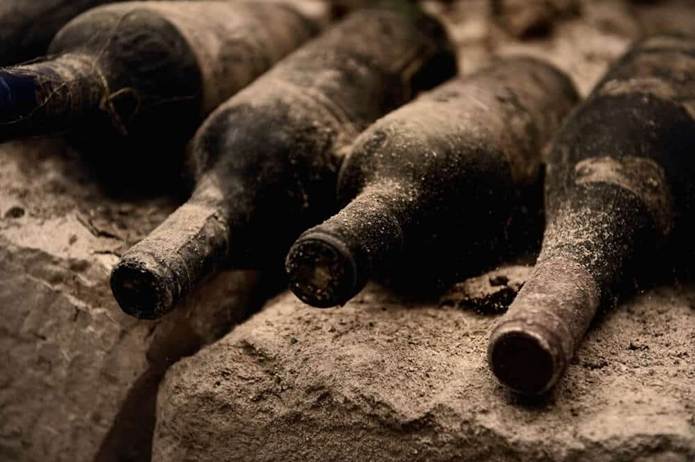
Of course, that’s as it should be. The wine we drank in a tasting room was, for the most part, recently bottled from a vintage at most three years before and more likely only two. The mere fact that we put the wine down in our “cellar” gave it more time for the tannins to blend in and maybe for some sediment to drop out. Age alone doesn’t make a wine great, but it does in many but not all instances, change it. The wines we tend to value the most are the ones that sit longest, so change is expected.
There are other reasons for the difference between what we tasted then and now that are more psychological. For one thing, it is rare that we buy the first wine we taste at a winery. That one is likely to be a white, which we purchase and drink less frequently. But the Sauvignon Blanc they often serve first at a winery primes our taste buds for the Cabernet Sauvignon or Grenache that we care about more greatly. At home, we don’t often open more than the bottle we are going to have with dinner that night, so we only have the one taste in our mouths. That doesn’t make it worse, just different.
Generally, that bottle at home is an accompaniment to a meal. In the tasting room, wine is the star; it’s why we are there in the first place. But when the bottle shares the table with, say, a roast beef there are several taste experiences vying for our tongues’ attention. There are times when the wine steals the show, but the experience of that wine is different than it was back where we bought it.
Moreover, the meal that the wine accompanies changes our perception of its taste. The California Cab or Italian Barolo is going to match up differently with a steak versus a pasta, for two examples. That’s really a good thing and it’s why some people are so interested in wine pairing. We’re less picky than other people, but we recognize that some bottles fit better with some meals than others. The reverse is also true: The choice of food changes our enjoyment of the wine.
So don’t fret if the wine you remember so well from that tasting trip a few years ago isn’t exactly what you thought it would be. Enjoy it for what it is at the winery and then again for what it is at your dinner table.