Lyon is the third largest city in France, behind Paris and Marseilles. It is infused with history, food and an unmistakable joie de vivre. From a wine tasting perspective, it is ideally situated. Drive a half an hour north and you’re in Beaujolais. Go the other direction and you’re in the Northern Rhône; two totally different wine tasting experiences. But with all those opportunities to visit wineries and vineyards, save time for Lyon itself.
The city is located at the confluence of the Rhône and Saône rivers, and it has been there since before the Romans conquered Gaul. It has gone through wars, revolutions and invasions and somehow come out with a smile on its face. A particularly interesting museum is the World War II Centre d’Histoire de la Résistance et de la Déportation which is a must. There is still a bit of history to be seen in the streets of Vieux Lyon. There is a cathedral, of course, and the small streets still have housefronts that were built in the Renaissance. There are hidden passageways called traboules to wander in and discover.
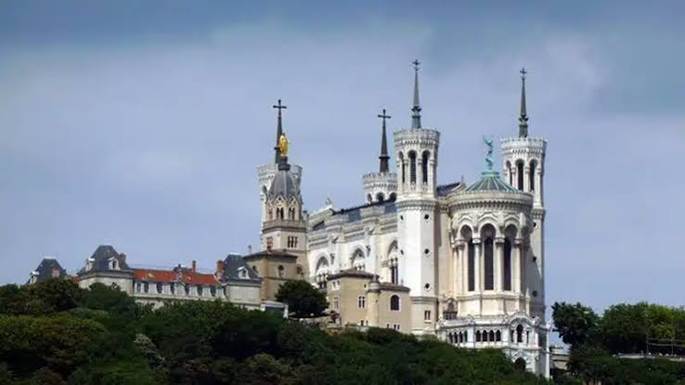
One sight not to be missed is the Basilica of Notre-Dame de Fourvière, across the Saône and overlooking the city. It is an architectural wonder in itself in a Romanesque-Gothic style. However, unlike the cathedral that really is Gothic architecture, this church was built in the 19th century. It is probably the most recognizable building in Lyon and the views of the city from the Basilica are worth the trip.
But if you ask us, the reason to visit Lyon is the food. The city is widely recognized as the culinary capital of France, although residents of Paris and the Côte d’Azur would argue the point. We won’t get involved in that argument, but we can say we have had some very memorable meals in Lyon. The restaurants there can be categorized in two ways: the highest of haute cuisine and the jolliest of bistro food.
The cuisine of Lyon today is dominated by the heritage of one man, Paul Bocuse (1926-2018). Regarded as the greatest French chef of the last quarter of the 20th century, he inspired what came to be known as nouvelle cuisine, with an emphasis on lighter food, with vibrant flavors derived from the freshest ingredients. The temple of French gastronomy in Lyon is Monsieur Paul’s namesake restaurant just out of town in Collonges. A meal there is a lifetime experience. He also opened four restaurants in Lyon that feature the top of classic French dishes; we especially remember the onion soup at one of them.
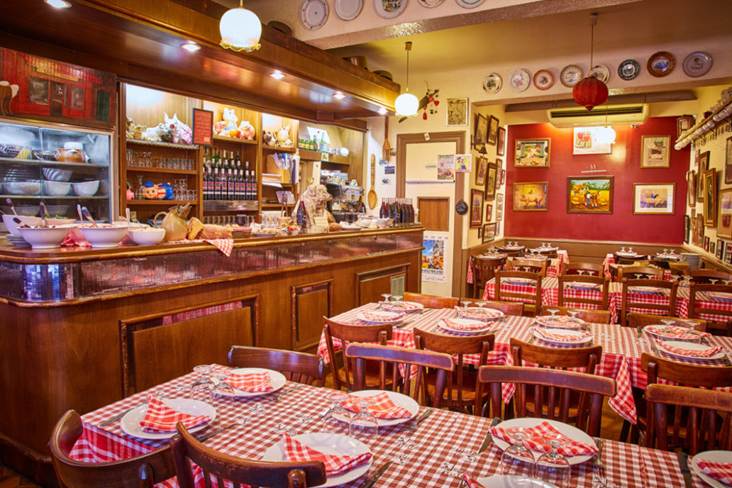
At the other extreme are the bouchons, small bistros that feature traditional lyonnais dishes. These include quenelles de brochet, airy puffs of chopped pike served in a rich sauce Nantua; salade lyonnaise, salad served with big chunks of bacon and a poached egg; and saucisson en brioche, sausage baked into brioche bread. Of course there are wines lists, but the thing to do is to order a pot of wine (pronounced poe). They hold 250 milliliters, enough for two glasses and they cost very little, typically around 10 euros. So you order a pot, then another and another and before you know it you’re rolling out into the streets of Lyon.