Artificial Intelligence seems to be everywhere these days, so why not for wine tasting? The one thing AI doesn’t have and never will is taste, in both senses of the word. Chatbots can’t taste wine and even if they could, they don’t have the good taste to tell the difference between fine wine and plonk. They can only provide information from what has been written about wine, not the beverage itself.
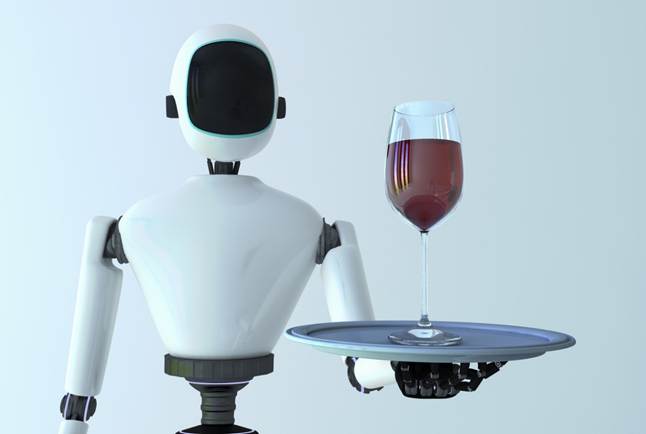
Photo courtesy of Wine Industry Sales Education.
Nonetheless, it can be a helpful tool if someone is planning or is actually on a wine tasting trip. Here are some tips that we have taken advantage of in our wine tasting adventures.
- AI can suggest places to visit. This is particularly helpful if you are planning on tasting in a region of Wine Country where you’ve never been before or, even more so, if you know little or nothing about the wines made there. There’s no reason to let ChatGPT or Gemini determine where you should go, but they can shorten the time to get started in selecting wineries to visit.
- Be careful what you ask. It all depends on the prompts you enter. If you ask, “What are the best wineries in Bordeaux?” you’ll be directed to the Premier Crus and their equivalents. That’s good advice, as long as you don’t mind the expense of only visiting the top wineries. If you ask “What are the best wineries for wine tasting in Bordeaux?” you’ll get a different list, still very fine wines to try, but less exclusive. And if you enter the prompt “What are the best values for money in wineries for wine tasting in Bordeaux?” you’ll be offered still another list of châteaux. All in all, it pays to think about what you want to do and be specific in your requests.
- Don’t trust the answers you get. Or at least, don’t trust them blindly. AI chatbots have the nasty habit of just making things up. If the reply that you get mentions a winery you’re familiar with, all well and good. But if it’s a name you never heard of, that may be because it doesn’t exist. So go from the chatbot to the web sites of the recommended wineries and both verify the accuracy of the AI response and learn more about a potential visit.
- Don’t rely on just one AI tool. Each one has a different algorithm and data model, so you’ll get different answers from Claude than from CoPilot than from Grok… It isn’t that one is more dependable than the others; it’s just that they’re different. It’s just like asking two friends for recommendations. They’re unlikely to be exactly the same. But note the recommended wineries that come up on multiple chatbots. That’s indicative that a particular winery will be a good destination.
- And you can ask it about lunch after the tasting. If you don’t know about wines in a given area, you probably don’t know about restaurants, either. All the tips above apply. If you choose one, AI can give you driving instructions from a tasting room to a café.